Best Herbal Medicine Books for Beginners (2026)
Start with one beginner herbal that covers a short list of safe, common herbs. Add a medicine-making manual once you know what you'll use, and a field guide before you pick anything wild. Herbs won't replace antibiotics or a doctor.
Short answer: start with Rosemary Gladstar's Medicinal Herbs, which is subtitled a beginner's guide, or the photo-rich The Complete Medicinal Herbal. Add a medicine-making manual once you know which herbs you'll actually use, and a field guide if you plan to gather plants rather than grow or buy them.
What herbal books do well is teach you to make simple preparations from plants you can grow or find, and to know which plants to leave alone. Every book below is in our verified directory, ordered from beginner-friendly to more specialized.
Quick picks
| For… | Get |
|---|---|
| The gentlest first book | Rosemary Gladstar's Medicinal Herbs |
| Remedies by ailment, for beginners | Herbal Medicine for Beginners |
| A photo-rich introduction | The Complete Medicinal Herbal |
| One big illustrated reference | Encyclopedia of Herbal Medicine |
| Plants that grow almost everywhere | The Wild Wisdom of Weeds |
| Recipes by condition | The Modern Herbal Dispensatory |
10 books, ranked. Affiliate links.
#1
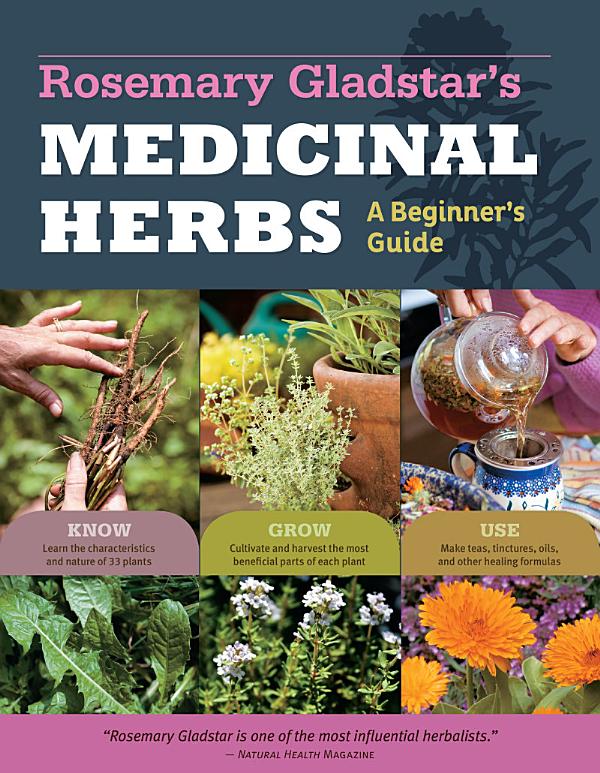
Rosemary Gladstar's Medicinal Herbs
Rosemary Gladstar
The subtitle says it: a beginner's guide. It profiles 33 common, safe herbs with simple recipes, so you learn a short list well instead of skimming hundreds. If you buy only one beginner herbal, this is the one we'd start with. Beginner level, 224 pages, 2012 edition.
Who it's for: complete beginners.
beginner
#2
Herbal Medicine for Beginners
Katja Swift, Ryn Midura
Katja Swift and Ryn Midura's starter herbal sticks to 35 medicinal herbs and gives 104 remedies for 59 common ailments. Like Gladstar's book, it teaches a short list of herbs well rather than skimming hundreds. Beginner level, 248 pages, Paperback (2018).
Who it's for: beginners who want remedies organized by ailment.
beginner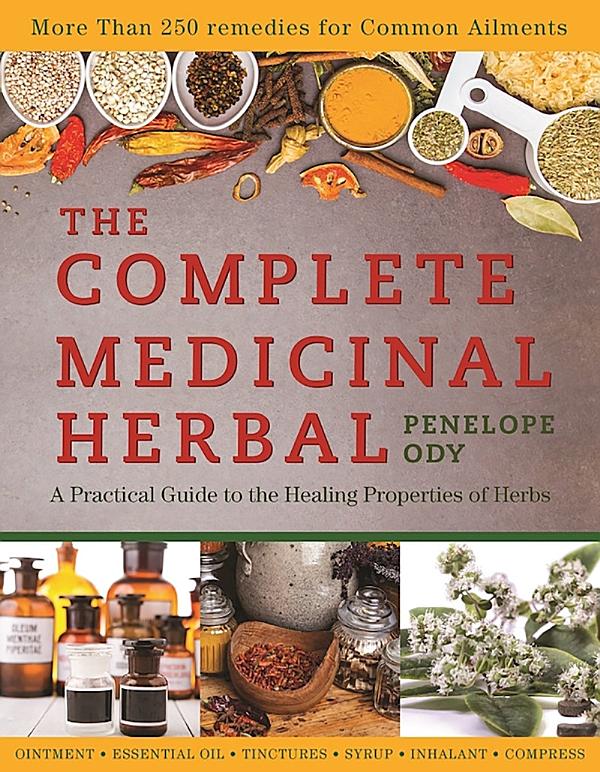
#3
The Complete Medicinal Herbal
Penelope Ody
A photo-rich introduction to common medicinal herbs and how they're prepared. The photographs help you connect a plant's name to what it looks like. Beginner level, 280 pages, Skyhorse edition (2017).
Who it's for: beginners who learn visually.
beginner
#4
Encyclopedia of Herbal Medicine
Andrew Chevallier
A large illustrated reference covering hundreds of herbs, their uses, and home remedies. It's the book to keep on the shelf for looking things up once a starter book has given you the basics. Beginner level, 336 pages, 2016 edition.
Who it's for: beginners who want one reference to grow into.
beginnerLarge reference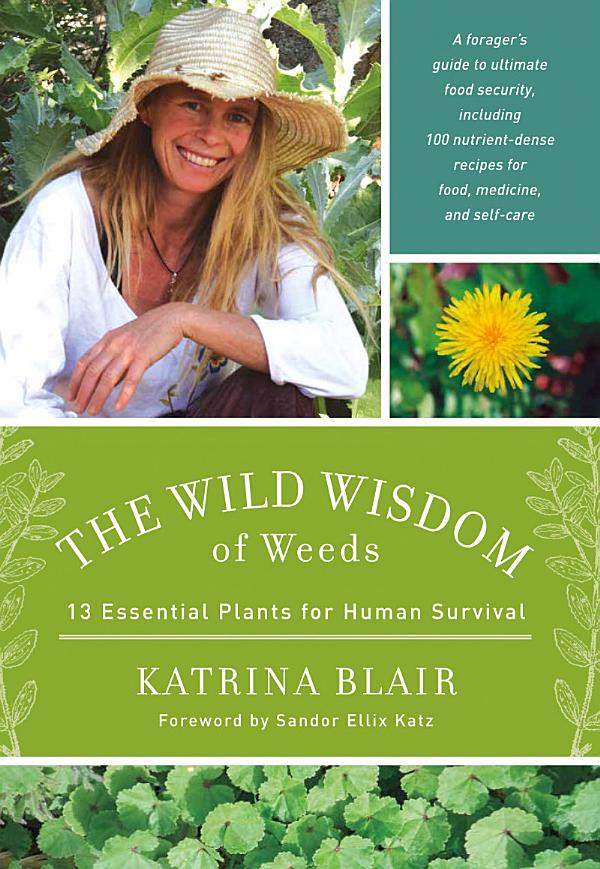
#5
The Wild Wisdom of Weeds
Katrina Blair
Thirteen common weeds you can eat or use as medicine. Weeds grow almost everywhere, so what you learn here travels with you, and it bridges herbalism and foraging. Beginner level, 358 pages, 2014 edition.
Who it's for: beginners who'd rather gather than buy dried herbs.
beginnerNorth America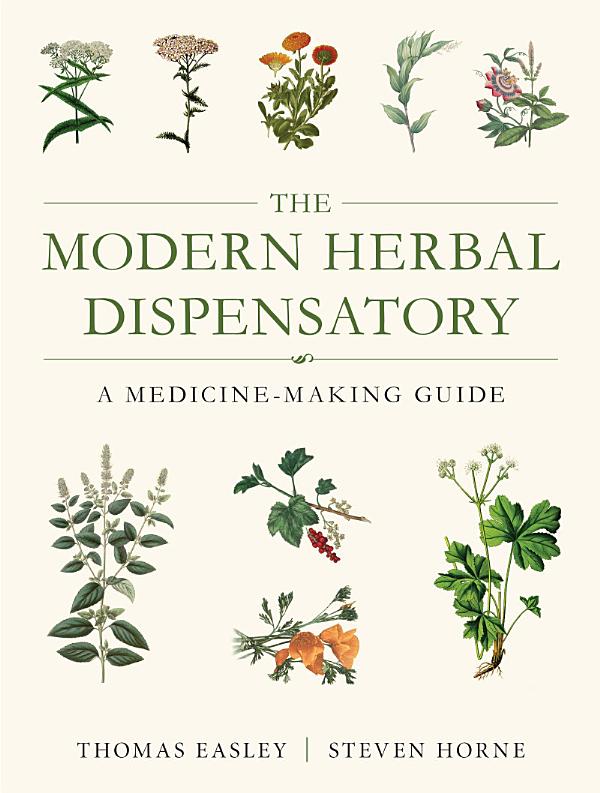
#6
The Modern Herbal Dispensatory
Thomas Easley
A recipe-driven guide to making tinctures, teas, and salves, with formulas organized by condition. It's a natural second book once you're comfortable with a handful of herbs. Intermediate level, 362 pages, 2016 edition.
Who it's for: advancing beginners.
intermediate
#7
The Herbal Medicine-Maker's Handbook
James Green
This one is about process: extraction, ratios, and storage. It's a how-to rather than a plant encyclopedia, so pair it with one of the books above. Intermediate level, 384 pages, 2000 edition.
Who it's for: people who want to make their own preparations properly.
intermediate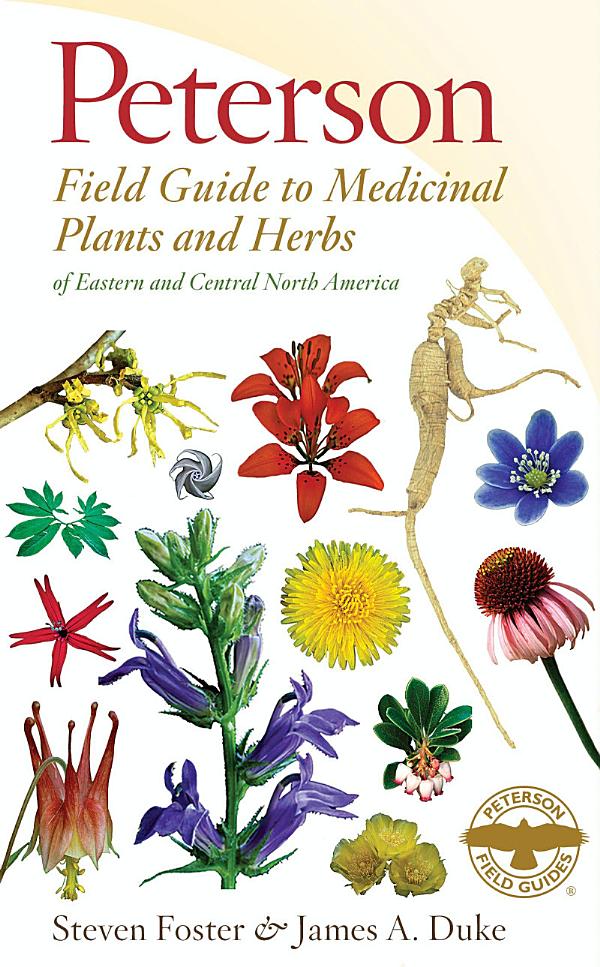
#8
Peterson Field Guide to Medicinal Plants and Herbs of Eastern and Central North America
Steven Foster, James A. Duke
Identifies medicinal plants of the East and Midwest with photos and cautions about toxic look-alikes. If you plan to gather wild plants in the East, you need an identification book, not just a recipe book. Intermediate level, 456 pages, Third edition (2014).
Who it's for: beginners moving into wild harvesting in the East.
intermediateEastern & Central North AmericaField guide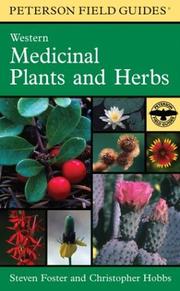
#9
Peterson Field Guide to Western Medicinal Plants and Herbs
Steven Foster, Christopher Hobbs
The western counterpart, covering plants from the Rockies to the Pacific, with safety notes on toxic species. Pick this one instead of the eastern guide if you live in the West. Intermediate level, 448 pages, 2002 edition.
Who it's for: western foragers.
intermediateWestern North AmericaField guide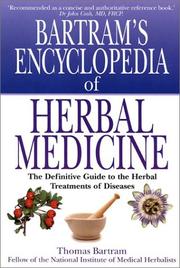
#10
Bartram's Encyclopedia of Herbal Medicine
Thomas Bartram
An A-to-Z reference of herbs and the conditions they've traditionally been used for. It's dense, so it's best as a lookup book rather than something to learn from first. Intermediate level, 496 pages, 2002 edition.
Who it's for: readers who already have a starter book.
intermediateLarge reference
Regional field guides. Our directory also has Edible and Medicinal Plants guides for Canada, the Rocky Mountains, and the West. See foraging books by region for more.
How to start without getting hurt
- Learn a few herbs well. A short list you know thoroughly is safer than a long list you half know.
- Identify before you harvest. Many wild plants have toxic look-alikes, which is why this list includes the Peterson field guides.
- Herbs are not a substitute for medical care. For infections, serious injuries, or a fever that won't break, use a real medical reference like Where There Is No Doctor (see our survival medicine list) and get professional help when you can.
- Check with a pharmacist or doctor before combining herbs with prescription medicines, or using them while pregnant or nursing.
FAQ
What is the best herbal medicine book for a complete beginner?
Rosemary Gladstar's Medicinal Herbs. It's subtitled "a beginner's guide" and sticks to 33 common, safe herbs with simple recipes.
Do I need a field guide to start with herbal medicine?
Not if you grow your herbs or buy them dried. You do need one before you pick anything wild: the eastern or western Peterson guide, or a regional foraging guide.
Which book teaches how to make tinctures and salves?
The Herbal Medicine-Maker's Handbook covers extraction, ratios, and storage. The Modern Herbal Dispensatory gives formulas organized by condition.
Why buy herbal books in print?
You'll use them in the kitchen and garden, and a printed book still works when the power or internet is out.
See the full herbal medicine section of the directory.
How we picked
Every book here is a print reference you could actually use during an emergency, and every edition, ISBN, and page count was checked against Open Library or the publisher. If we couldn't verify a detail, we left it out. The order is our editorial judgment: books a beginner can use come first, then specialist references. Free legal copies are flagged, and we never link to pirated PDFs. Affiliate commissions don't decide what gets listed or where it ranks.
More buying guides: Survival Medicine · Wilderness First Aid · Water Storage and Purification · Food Storage and Preservation · Canning · Foraging · Ham Radio · Homesteading · Off-Grid Power · Survival Gardening · Bushcraft · General Survival · Mushroom Identification · Free Survival Books (Legal PDFs) · Ham Radio Technician License · Prepper Book Gifts